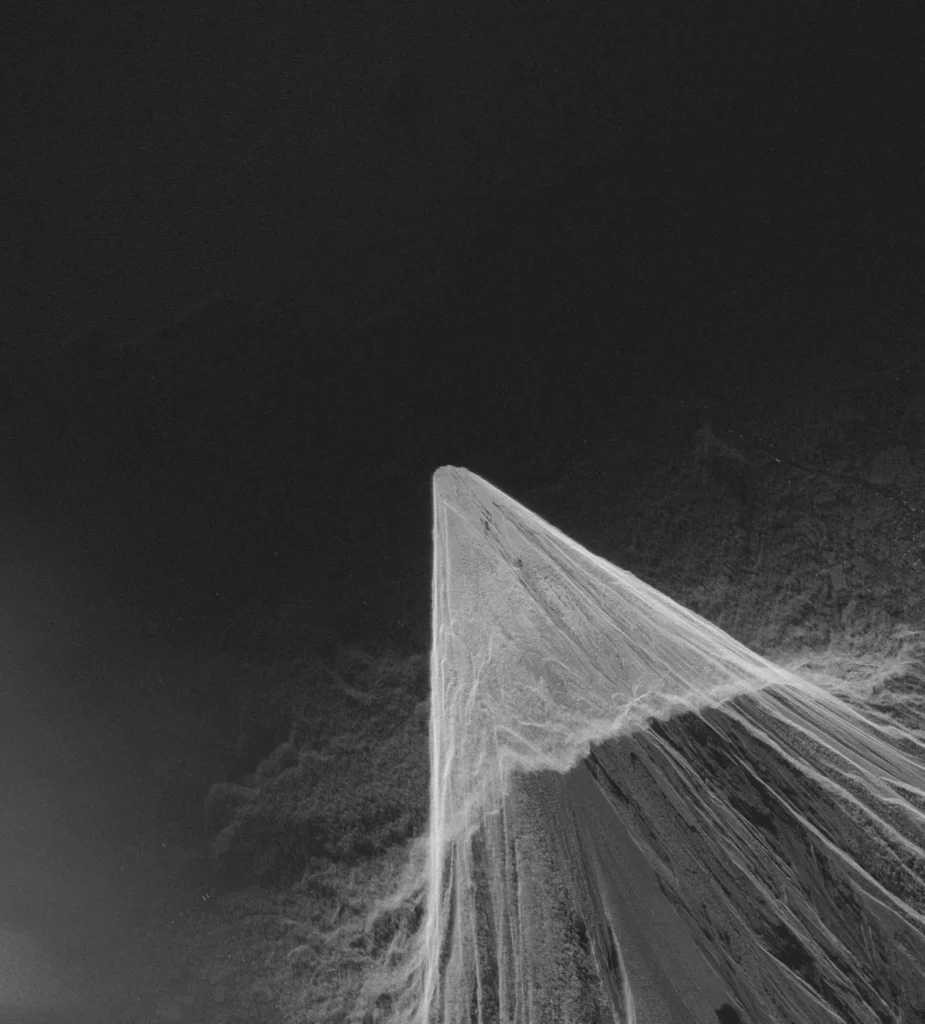
Concepción is a stratovolcano located in Nicaragua, rising to an elevation of 1,700 meters within a subduction zone and continental crust tectonic setting. Official records from the Smithsonian Global Volcanism Program document a total of 33 confirmed eruptions spanning from ancient isotopic evidence in the 8th century BCE up to 2024 CE.
Geographic and Tectonic Profile
Situated at latitude 11.538 and longitude -85.622, Concepción operates within an active subduction zone environment characterized by continental crust exceeding 25 kilometers in thickness. The volcano has a recorded maximum Volcanic Explosivity Index (VEI) of 4.0.
Historical Eruption Chronology
The confirmed eruption record for Concepción features activity distributed across multiple centuries, shifting from sparse prehistoric indicators to frequent historical observations. The earliest recorded event in the official dataset dates back to 770 BCE (with a 50-year uncertainty), noted via uncalibrated carbon-14 isotopic evidence on the east flank (Las Pilas, Sintiope) with a VEI of 4.0.
Centuries later, recorded activity intensified, particularly across the 19th, 20th, and 21st centuries. The confirmed eruptions include:
- 770 BCE: East flank (Las Pilas, Sintiope), VEI 4.0 (Isotopic: 14C uncalibrated)
- January 25, 1928: Reported observations, VEI 2.0
- May 9, 1963: Reported observations, VEI 1.0
- June 16, 1988: Reported observations, VEI 2.0
- May 16, 2024: Reported observations, VEI 2.0 (ending on the same date)
Distribution of Eruptions by Century
The Smithsonian Global Volcanism Program tracks 33 VEI-observed eruptions across the history of Concepción. The distribution across recorded centuries illustrates how documentation and activity frequency vary over time:
- 8th century BCE: 1 eruption
- 19th century CE: 3 eruptions
- 20th century CE: 22 eruptions
- 21st century CE: 7 eruptions (up to the 2024 record)
The latest recorded eruption in the database began and ended on May 16, 2024, with a VEI of 2.0, aligning with the last known eruption year of 2024.
Sources and further context
Official datasets support the event-specific facts.